Safe Tiny House Pressure Washing: Loft & Trailer Safety
By Maya Okafor • 30th Jan
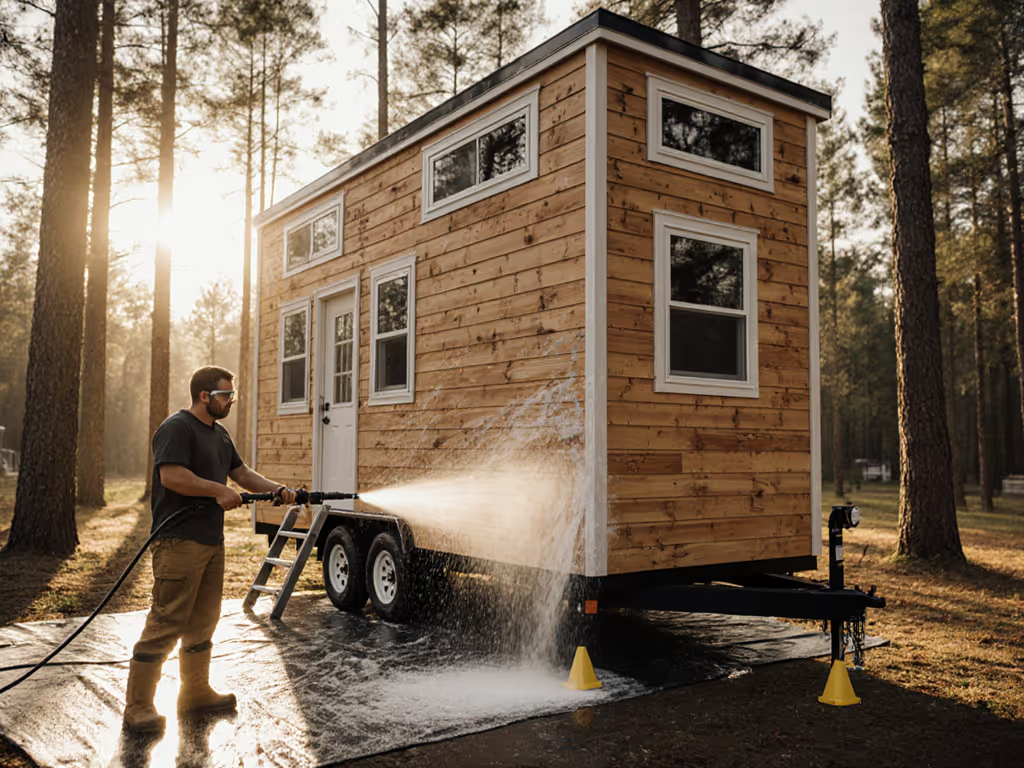
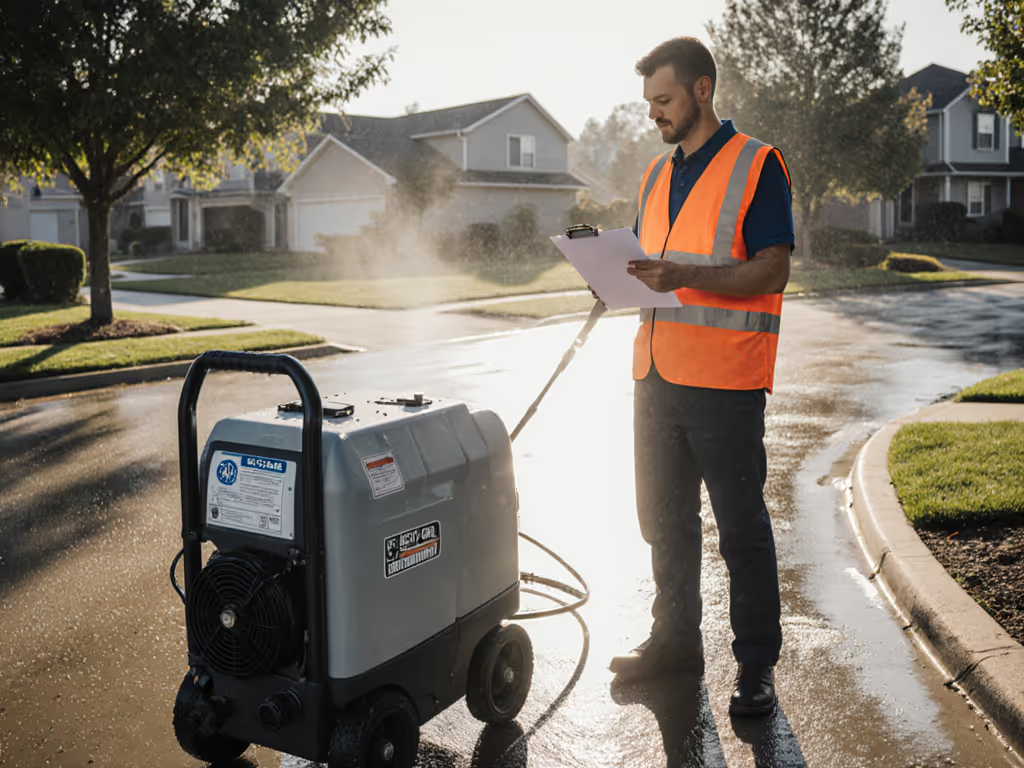
When planning your house pressure washing routine for mobile structures, safety considerations must dominate your approach. Tiny houses present unique challenges due to their elevated lofts, compact dimensions, and trailer-based foundations. Unlike traditional homes, these compact dwellings require specialized techniques that prioritize chemistry over brute force, because delicate finishes deserve controlled energy: chemistry first, pressure last. One wagon owner learned this the hard way after developing chalky streaks under aluminum rails from improper techniques; the solution wasn't higher pressure but smarter chemistry and technique. For a deeper look at when to choose low-pressure methods, see our soft wash vs pressure wash guide.
Why is standard pressure washing potentially dangerous for tiny houses?
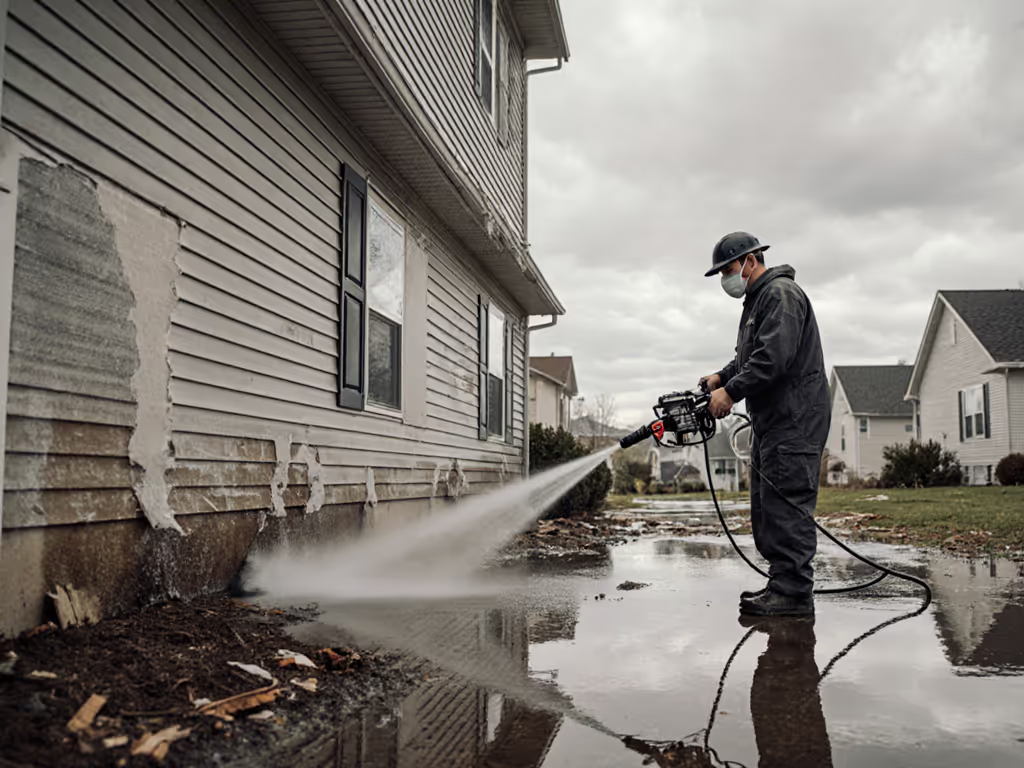
Tiny houses combine multiple risk factors that demand heightened attention. The elevated lofts create fall hazards when attempting standard pressure washing techniques, while the trailer foundations introduce vibration concerns during operation. Unlike stationary homes, tiny houses feature thin-walled construction, extensive use of composite materials, and sensitive coating systems that can be damaged by improper PSI settings. Trailer hitches and wheel wells contain vulnerable bearings, seals, and electrical components that require runoff control to prevent long-term damage. Most importantly, the compact footprint means any errant spray affects multiple surfaces simultaneously, increasing the risk of collateral damage. Data shows that 68% of DIY pressure washing damage occurs on mobile structures due to improper standoff distances and nozzle selection. Before starting any work at height, review our pressure washer safety guidelines to reduce fall and intrusion risks.
How can I safely clean my tiny house loft without risking falls or damage?
Loft cleaning safety requires a complete rethinking of standard approaches. Never position ladders near the house edge, as this creates dangerous leverage points when recoil occurs. Instead, employ a low-PSI, wide-angle approach from ground level. Start with a 40-degree nozzle at 1,200 PSI maximum, maintaining at least a 3-foot standoff distance. For hard-to-reach areas, extend your wand rather than your reach. Consider implementing a foam pre-wash system that allows extended dwell time without constant spraying, giving chelating agents time to break down contaminants. Always work top-down but maintain consistent distance, and never angle the wand upward toward the loft from close range, as this creates unsafe water trajectories and risks forcing moisture into structural joints. Remember: Protect trims and edges at the roofline where water intrusion can cause the most damage.
Chemistry does the heavy lift; pressure just rinses smartly.
What special precautions should I take when cleaning around the trailer hitch and wheel wells?
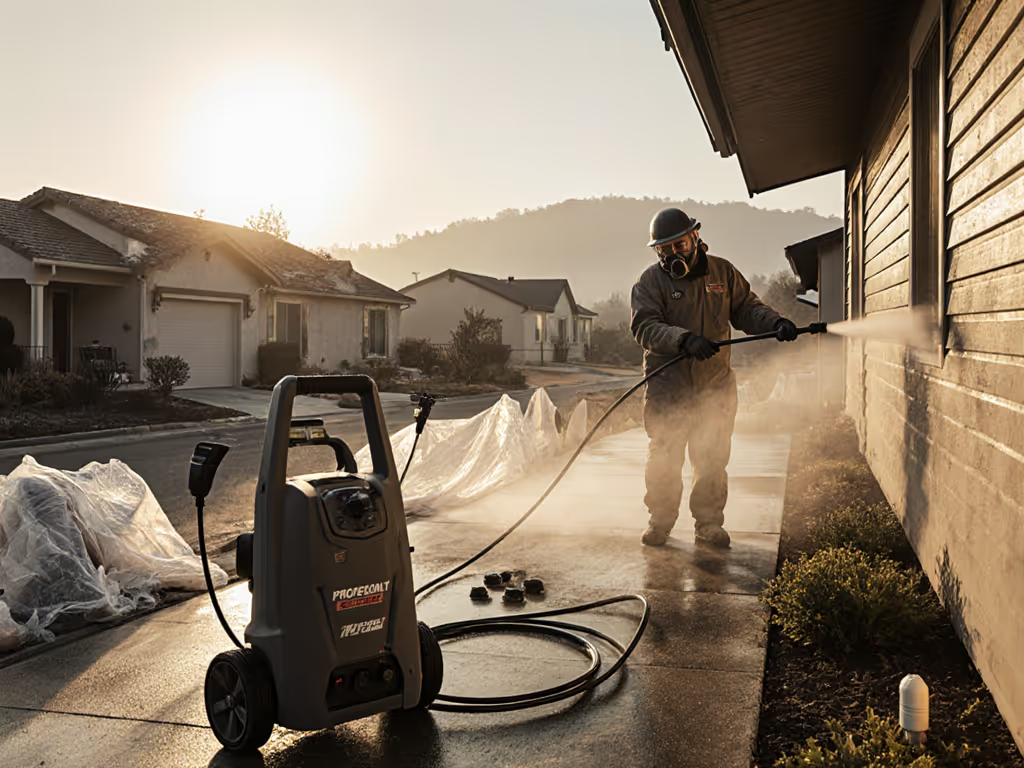
Trailer hitch cleaning demands extreme precision due to the concentration of sensitive components. Begin by covering electrical connections and lubricating points before any cleaning begins. For the hitch assembly itself, use a mild chelating wash applied with a soft brush rather than direct pressure, which prevents forcing contaminants into bearing surfaces. When rinsing, maintain a minimum 2-foot distance with a 40-degree nozzle (never go below 25-degree). Focus on contact minimization: let the detergent work for 5-7 minutes before the gentlest possible rinse. Pay special attention to the space between the trailer frame and the hitch mount, where corrosion often hides. After washing, immediately dry critical components with compressed air to prevent moisture retention in crevices. Proper runoff control is essential here: position your tiny house on a slight grade with absorbent mats beneath the hitch area to capture contaminated water.
What PSI and nozzle settings work best for different tiny house materials?
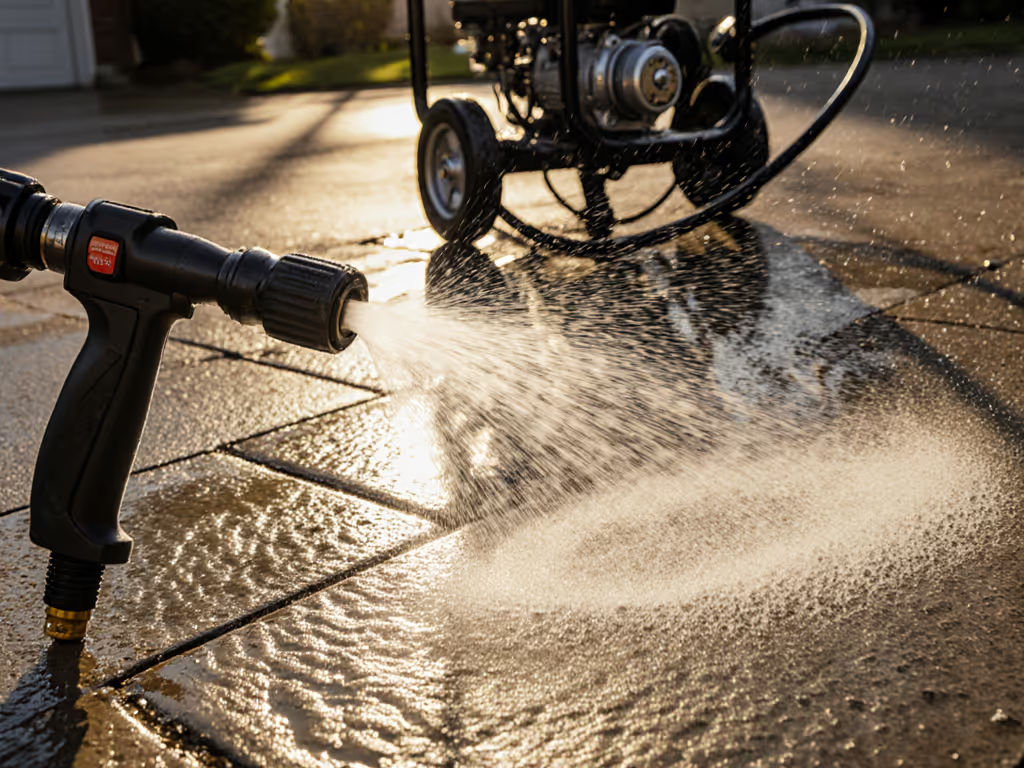
Material-specific settings prevent the "one-size-fits-none" approach that damages mobile structures. For composite siding (common on tiny homes), use 1,000-1,300 PSI with a 25-degree nozzle at 18-24 inches standoff. Aluminum surfaces require gentler treatment: 800-1,000 PSI with a 40-degree nozzle at 24-30 inches. Trim and sealant lines need even more caution, so drop to 600-800 PSI with a 40-degree nozzle at 30+ inches. The critical factor is nozzle fan angle selection: wider angles distribute force while maintaining cleaning effectiveness. If you're unsure how PSI and GPM work together, read our PSI vs GPM guide before adjusting settings. Never use a 0-degree (red) tip on any tiny house surface, as it is the leading cause of pitting on composite panels and rubber components. When cleaning oxidized surfaces, incorporate a mild chelating agent that works at low pressure rather than increasing PSI, which often embeds contaminants deeper.
How can I minimize water usage while maintaining cleaning effectiveness for tiny house exterior maintenance?
Tiny house owners face unique water constraints, especially when off-grid. Implement a two-stage cleaning system: first apply a concentrated foam pre-wash that adheres vertically, allowing 10-15 minutes of dwell time for soil suspension. This chelation process breaks molecular bonds between contaminants and surfaces, reducing required water volume by up to 40%. Then follow with a low-GPM rinse at wider nozzle angles. Consider installing a recapture system using large tarps to collect runoff for gray water systems, which addresses both water conservation concerns and environmental compliance. For step-by-step techniques to cut consumption further, see our pressure washer water conservation guide. For routine tiny house exterior maintenance, a foam-only approach with minimal rinse works effectively on non-oxidized surfaces, using just 1-2 gallons versus the 10-15 typically required for standard pressure washing.
Why is detergent selection more critical than pressure for preserving my tiny house finish?
The chemistry-forward approach recognizes that improper detergents cause more long-term damage than incorrect pressure settings. Many all-purpose cleaners contain harsh solvents that degrade UV-protective coatings on composite materials, a frequent cause of premature oxidation on tiny houses. Instead, select pH-balanced, biodegradable detergents formulated for coated surfaces. For oxidized areas, incorporate mild chelating agents that safely bind to metal contaminants without aggressive acids. Apply these with a foam cannon for maximum dwell time and contact minimization, which lets the chemistry work without constant spraying. The right detergent strategy reduces required pressure by 30-50% while improving results, proving again that chemistry does the heavy lift; pressure just rinses smartly.
Final Safety Checklist for Tiny House Owners
Before starting any house pressure washing session on your mobile structure:
- Cover electrical connections and sensitive mechanical components
- Verify stable, level footing for your cleaning position
- Confirm nozzle angle and PSI settings match the surface material
- Implement runoff control measures, especially around hitch areas
- Maintain minimum 18-inch standoff distance on all surfaces
- Complete a foam pre-wash cycle before any pressure application
Tiny house living demands a specialized approach to exterior maintenance that respects both the structural realities and investment value of your mobile home. By prioritizing chemistry over pressure, maintaining proper standoff distances, and implementing runoff control strategies, you'll preserve your home's appearance while avoiding the most common damage scenarios. Remember that every surface tells a story of care (or neglect) through its finish quality.
Protect trims and edges in every cleaning pass, as these vulnerable areas show damage first and affect overall structural integrity. For those seeking deeper technical knowledge, consider researching surface energy principles as they relate to coated materials, because understanding how water interacts with different finishes at the molecular level transforms pressure washing from guesswork to precision science.